
Contents
Overview
A World-Class Urban Sanctuary
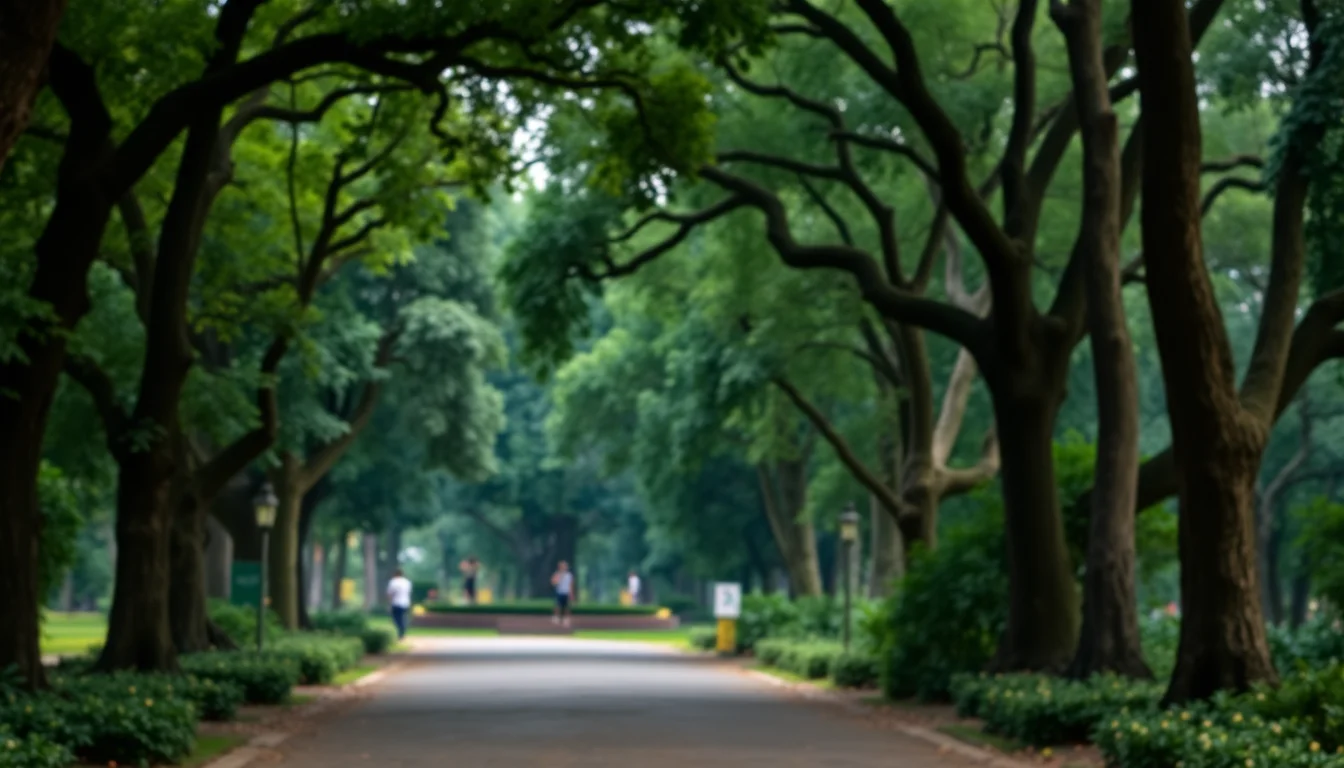
Bosque de Chapultepec is not merely a park; it is a sprawling ecological and cultural treasure, ranking among the largest urban parks on the planet. Its immense size, covering approximately 810 hectares (2,000 acres), makes it a critical green lung for the densely populated Mexico City. The park is divided into four sections, each offering distinct experiences. The first section, the oldest and most visited, houses iconic attractions like the Chapultepec Castle (home to the National History Museum), the National Museum of Anthropology, the Children's Museum (Papalote Museo del Niño), and the Chapultepec Zoo. The second section offers more serene landscapes, including the Chapultepec Lake, where visitors can enjoy boat rides, and the Botanical Garden. The third and fourth sections are more natural and less developed, providing opportunities for hiking and exploring diverse flora and fauna. The park's historical significance is palpable, having been a site of importance since pre-Hispanic times, serving as a retreat for Aztec rulers and later as a military training ground and presidential residence.
A Living, Evolving Space
Chapultepec Park is a dynamic entity, constantly evolving to meet the needs of its visitors and the demands of environmental stewardship. Recent news highlights ongoing efforts to enhance its ecological health, such as the initiative to clean and restore Chapultepec Lake, aiming to improve water quality and support biodiversity. Culturally, the park remains a vibrant stage, with a continuous rotation of temporary art installations by emerging Mexican artists adding contemporary flair to its historic grounds. The botanical garden is also a focus of development, receiving significant funding to expand its collections and bolster the preservation of rare plant species. These initiatives underscore a commitment to not only preserving the park's heritage but also ensuring its future as a thriving ecosystem and a vital cultural resource. The park's role in community life is undeniable, serving as a cherished gathering place for everything from quiet contemplation to large-scale public celebrations, such as the annual May Day festivities that draw thousands.
A Living, Evolving Space
Cultural and Recreational Heartbeat
The Bosque de Chapultepec is a cornerstone of Mexico City's cultural identity, housing a remarkable concentration of museums and historical sites. Chapultepec Castle, perched atop a hill, offers panoramic views of the city and serves as the National History Museum, recently featuring an exhibition on the Porfiriato era. The National Museum of Anthropology, a world-renowned institution, is dedicated to the archaeology and history of Mesoamerica's indigenous cultures. Beyond its museums, the park is a playground for all ages. Families flock to the zoo, children delight in the Papalote Museo del Niño, and many enjoy leisurely strolls around the lake or through its extensive gardens. The presence of numerous cultural events, concerts, and temporary exhibitions throughout the year ensures that Chapultepec is always a lively and engaging destination. The recent unveiling of art installations by emerging artists further solidifies its position as a platform for contemporary expression.
Commitment to Sustainability and Community
Recognizing its immense ecological value, significant efforts are directed towards the conservation and sustainability of Bosque de Chapultepec. The ongoing restoration of Chapultepec Lake is a prime example, focusing on improving water quality and enhancing the habitat for local wildlife. The botanical garden's expansion and focus on preserving rare plant species demonstrate a dedication to biodiversity. These environmental initiatives are crucial for maintaining the park's role as a vital green lung and a refuge for nature within the urban sprawl. Furthermore, the park actively fosters community engagement. It serves as a central point for public gatherings, from informal picnics to organized celebrations like May Day, which saw thousands of visitors enjoying the open spaces. Local community advocacy for more green spaces within the park also points to its deep integration into the lives of Mexico City residents, highlighting its importance as a shared public asset.
Key Facts
- Origin
- frenly-ai
- Category
- general
- Type
- place
- Format
- frenly