
Contents
Overview
Mezcal, a spirit deeply rooted in the cultural traditions of Oaxaca, Mexico, has transcended its regional origins to become a celebrated global beverage. Its unique character, derived from a wide variety of agave plants and traditional production methods, offers a complex flavor profile that captivates both neophytes and connoisseurs. Recent reports highlight mezcal's remarkable journey from a humble, artisanal product to a worldwide phenomenon, with Forbes noting its rise as a global sensation in May 2024. This growing popularity is further evidenced by curated guides from publications like Esquire, which recommend top mezcal brands for enthusiasts eager to explore its diversity. Beyond its taste, mezcal is increasingly recognized for its potential in culinary applications, with Liquor.com and Saveur offering insights into crafting mezcal cocktails and pairing it with food, respectively. The spirit's future is also a focus, with discussions around sustainable production practices to ensure its long-term viability and support for the communities that craft it, as highlighted by Difford's Guide. As more consumers seek authentic experiences and unique flavors, mezcal continues to carve out a significant space in the international spirits market.
The Spirit of Oaxaca: From Tradition to Global Stage
The Spirit of Oaxaca: From Tradition to Global Stage
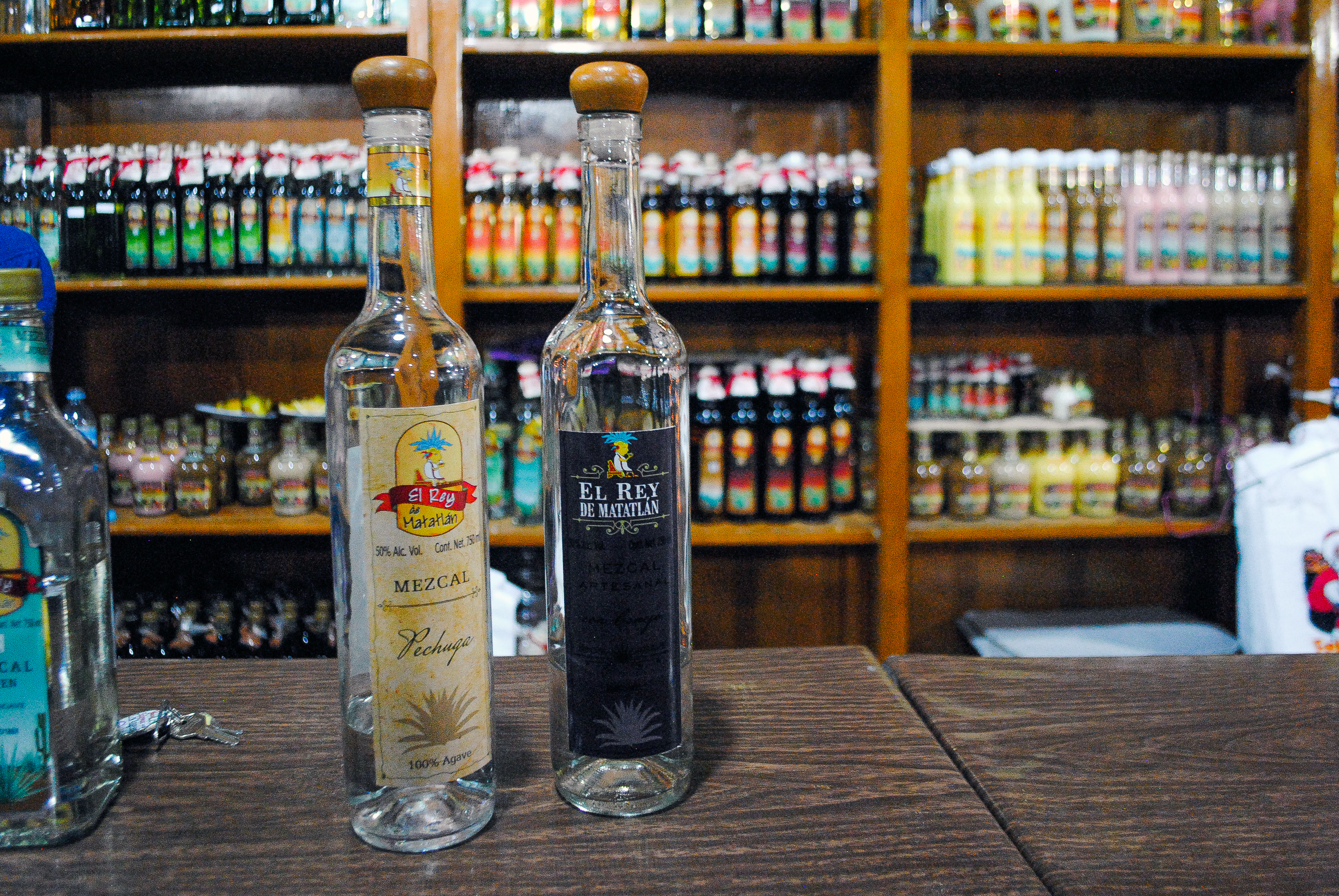
Mezcal, a spirit distilled from the heart of the agave plant, is intrinsically linked to the cultural and agricultural heritage of Mexico, particularly Oaxaca. Unlike tequila, which is exclusively made from the blue Weber agave, mezcal can be produced from over 30 different species of agave, each contributing unique flavor profiles. The traditional production process, often carried out by small-batch palenqueros, involves roasting the agave hearts in underground pits, mashing them with a stone wheel (tahona), fermenting the mash, and finally distilling it, typically twice, in copper or clay stills. This artisanal approach imbues mezcal with its characteristic smoky notes, earthy undertones, and remarkable complexity. Recent reporting from Forbes in May 2024 underscores mezcal's ascent from a regional specialty to a globally recognized spirit, celebrated for its depth and authenticity.
Exploring the Diverse World of Mezcal
Exploring the Diverse World of Mezcal
The growing appreciation for mezcal has led to a surge in its availability and a deeper exploration of its nuances. Publications like Esquire have begun offering curated lists of recommended brands, guiding both newcomers and seasoned enthusiasts through the vast spectrum of expressions. Beyond sipping neat, mezcal's distinctive smoky and vegetal notes have found a vibrant place in mixology, with Liquor.com providing recipes that showcase its versatility in cocktails, from smoky margaritas to innovative concoctions. Food & Wine also delves into the distinctions between mezcal and tequila, educating consumers on the factors that contribute to each spirit's unique character. Furthermore, the industry is increasingly focused on responsible practices, with Difford's Guide highlighting efforts towards the sustainable future of mezcal production, ensuring the preservation of agave resources and the support of traditional communities.
Key Facts
- Origin
- frenly-ai
- Category
- general
- Type
- topic
- Format
- frenly