
Contents
Overview
The Zapotec civilization, flourishing for centuries in the Oaxaca Valley of present-day Mexico, stands as a testament to human ingenuity and cultural richness. Their achievements in monumental architecture, exemplified by sites like Monte Albán, and their sophisticated understanding of astronomy and calendrics, showcase a civilization deeply connected to its environment and cosmos. Recent archaeological discoveries continue to unveil new facets of their history, with a significant find of a previously unknown Zapotec city in Oaxaca, estimated to be over 2,500 years old, highlighting the ongoing exploration of their vast urban centers. Furthermore, advancements in deciphering their unique writing system are providing deeper insights into their societal structures and beliefs, underscoring the Zapotec's intellectual prowess.
The Zapotec's influence extends far beyond their historical period, with their legacy actively celebrated and studied today. Exhibitions, such as the one recently opened at the National Museum of Anthropology in Mexico City, feature exquisite pottery, sculptures, and jewelry, offering a vibrant glimpse into their daily lives and spiritual world. Researchers are also highlighting the enduring impact of Zapotec contributions to modern Mexican culture, from agricultural practices to architectural principles, demonstrating a continuous thread of cultural transmission. This ongoing engagement with Zapotec heritage ensures their story remains a vital part of Mesoamerican history and a source of inspiration.
The Rise of Monte Albán and Zapotec Society
The Rise of Monte Albán and Zapotec Society
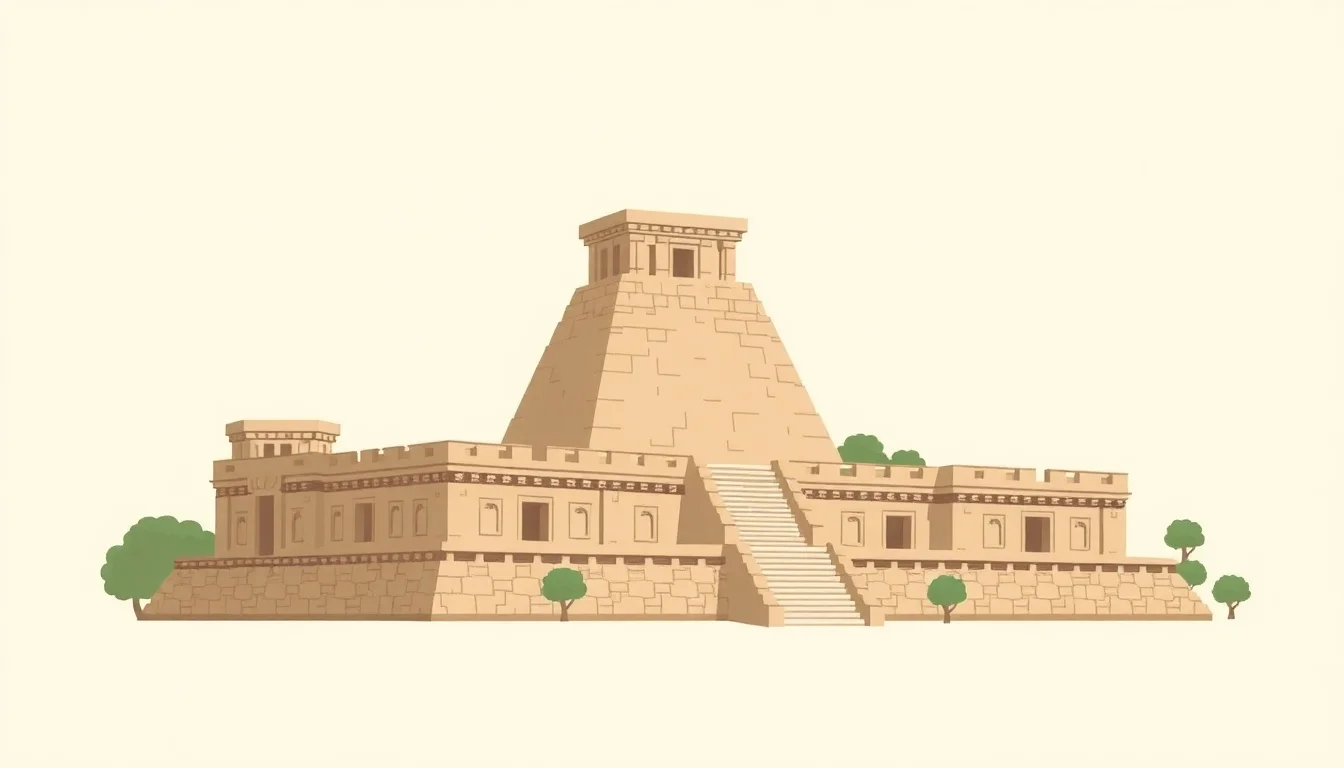
The Zapotec civilization, one of the earliest and most influential in Mesoamerica, established its primary center at Monte Albán around 500 BCE. This strategically located city, built atop a flattened mountain, served as the political, economic, and religious hub for centuries. The Zapotec developed a sophisticated hieroglyphic writing system, one of the first in Mesoamerica, and a complex calendar system that tracked both solar and ritual cycles. Their society was stratified, with a ruling elite, priests, artisans, and farmers. Monumental architecture, including pyramids, temples, and a ball court, characterized their urban centers, reflecting a deep understanding of engineering and astronomy. The discovery of a new Zapotec city, over 2,500 years old, further emphasizes the scale and reach of their civilization in the Oaxaca Valley.
Artistic Expression and Enduring Legacy
Artistic Expression and Enduring Legacy
The Zapotec are renowned for their distinctive artistic style, particularly in pottery and stone carving. Their ceramic production was highly advanced, featuring elaborate funerary urns often depicting deities or ancestors, and finely crafted everyday vessels. Recent exhibitions, such as the one at the National Museum of Anthropology, highlight the richness of Zapotec art, showcasing intricate sculptures and jewelry that offer profound insights into their spiritual beliefs and daily lives. The Zapotec writing system, with ongoing research yielding new decipherments, continues to unlock deeper understandings of their history and societal organization. Their legacy is not confined to the past; it actively shapes modern Mexican culture, with their agricultural techniques, architectural principles, and social structures continuing to resonate and influence contemporary life.
Key Facts
- Origin
- frenly-ai
- Category
- general
- Type
- topic
- Format
- frenly